
Identity-Centric AI Governance: Linking Activity to a Real Person
AI governance needs reliable attribution. Learn how identity, Okta/Azure AD signals, telemetry, and audit-logging create investigation-ready evidence.
Why AI governance breaks without identity-based attribution
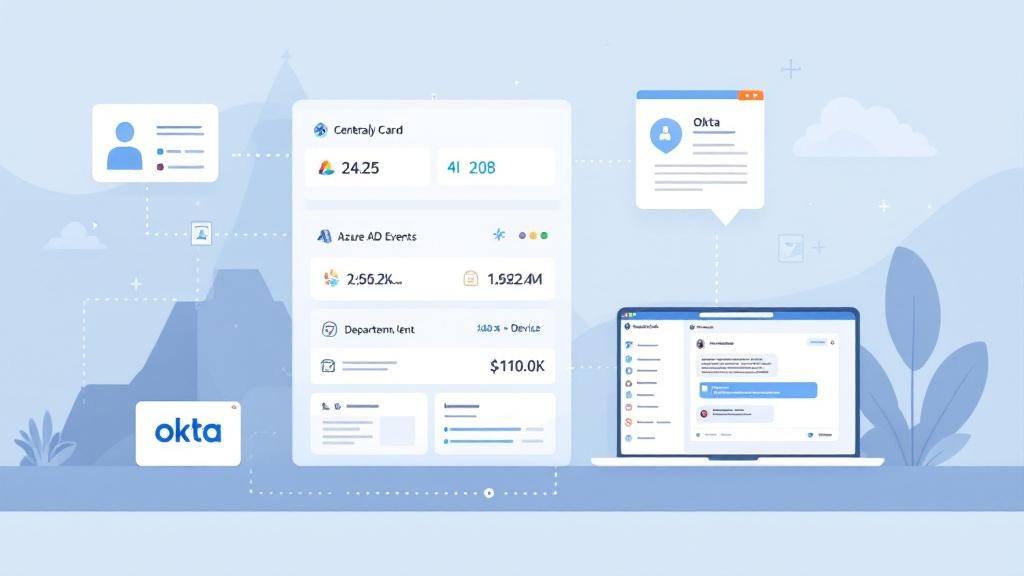
Most AI governance programs fail for a simple reason: they observe “an event,” but can’t prove who did it. When employee usage of external AI tools is seen only as anonymous web traffic or a generic vendor log entry, policies become guesswork and compliance teams lose credibility during audits. The result is fragmented evidence across apps, devices, and access paths—exactly where data leakage risk thrives.
An identity-centric approach treats attribution as a first-class requirement: every AI interaction should be tied to a real person (employee or contractor), a device, and business context (department, role, data classification). This is where IAM becomes the backbone. By grounding governance in authoritative sources like Okta or Azure AD, you can move from “we think this was Marketing” to “this specific user on this managed device uploaded sensitive content to an unsanctioned tool.” That level of clarity is what makes policy enforcement defensible—and makes audit-logging more than just noise.
The identity signals that reliably link AI activity to people and devices
Reliable attribution comes from correlating multiple signals, not trusting a single log source. Start with SSO/IdP events from Okta or Azure AD: user identifiers, group membership, and authentication methods provide the strongest “who.” Then add “how and where” through device posture and access context—managed vs. unmanaged endpoints, compliance state, and risk flags—so your policies can differentiate a sanctioned corporate laptop from a personal device.
Finally, capture “what happened” using browser/endpoint telemetry and network signals. Browser extensions and endpoint agents can observe AI tool domains, copy/paste actions, uploads, and prompts in ways vendor APIs often can’t. Network telemetry can confirm destination services and volume, even when users bypass SSO. These signals together enable department-based rules (e.g., Finance vs. Sales) and sensitive-data controls (PII/PHI keywords, document fingerprints). The goal isn’t surveillance; it’s consistent, policy-driven governance where IAM context makes enforcement fair, explainable, and auditable.
Handling shared accounts and building investigation-ready audit-logging
Shared accounts, service logins, and contractors are where attribution usually collapses. Treat these as explicit policy objects: require named identities for sanctioned AI access, enforce MFA, and bind usage to contractor accounts with time-bound access and clear ownership in Okta/Azure AD. Where shared credentials still exist, reduce ambiguity by correlating device identifiers, browser profiles, IP ranges/VPN sessions, and ticket-based approvals—so investigators can establish the most defensible “who” possible.
Equally important is designing audit-logging that stands up in reviews. Logs should be append-only and tamper-evident, capturing: identity attributes (user, groups, contractor status), device posture, tool/service, timestamp, action type (paste, upload, prompt), policy decision (allow/block/exception), and investigation notes. Include workflow metadata—alert triage, user outreach, remediation steps—and enable exportable reports for internal audits and customer security questionnaires. When an incident occurs, your team shouldn’t scramble across systems; the evidence trail should already read like a case file, grounded in identity and consistent IAM context.
Why AI governance breaks without identity-based attribution
Most AI governance programs fail for a simple reason: they observe “an event,” but can’t prove who did it. When employee usage of external AI tools is seen only as anonymous web traffic or a generic vendor log entry, policies become guesswork and compliance teams lose credibility during audits. The result is fragmented evidence across apps, devices, and access paths—exactly where data leakage risk thrives.
An identity-centric approach treats attribution as a first-class requirement: every AI interaction should be tied to a real person (employee or contractor), a device, and business context (department, role, data classification). This is where IAM becomes the backbone. By grounding governance in authoritative sources like Okta or Azure AD, you can move from “we think this was Marketing” to “this specific user on this managed device uploaded sensitive content to an unsanctioned tool.” That level of clarity is what makes policy enforcement defensible—and makes audit-logging more than just noise.
The identity signals that reliably link AI activity to people and devices
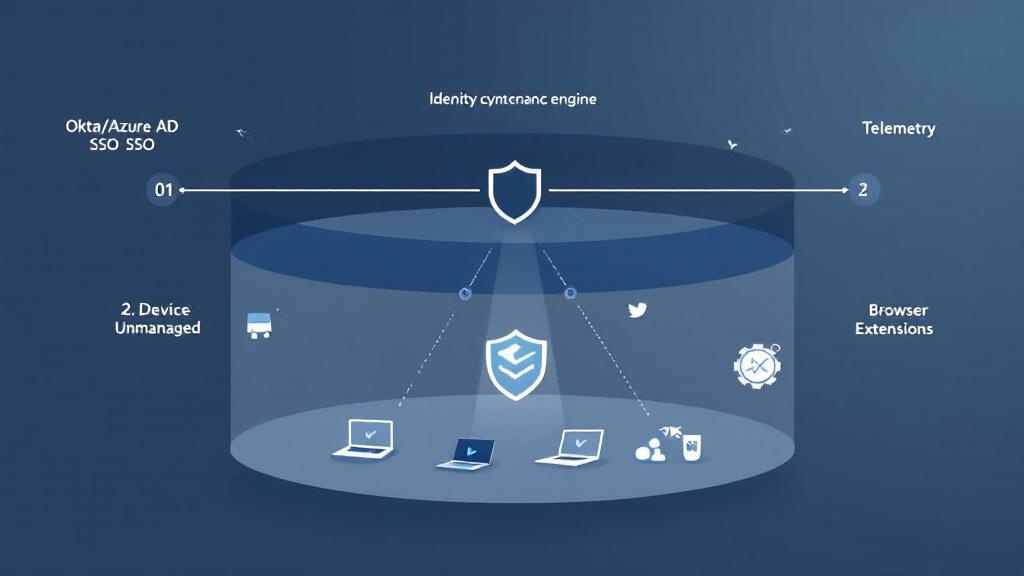
Reliable attribution comes from correlating multiple signals, not trusting a single log source. Start with SSO/IdP events from Okta or Azure AD: user identifiers, group membership, and authentication methods provide the strongest “who.” Then add “how and where” through device posture and access context—managed vs. unmanaged endpoints, compliance state, and risk flags—so your policies can differentiate a sanctioned corporate laptop from a personal device.
Finally, capture “what happened” using browser/endpoint telemetry and network signals. Browser extensions and endpoint agents can observe AI tool domains, copy/paste actions, uploads, and prompts in ways vendor APIs often can’t. Network telemetry can confirm destination services and volume, even when users bypass SSO. These signals together enable department-based rules (e.g., Finance vs. Sales) and sensitive-data controls (PII/PHI keywords, document fingerprints). The goal isn’t surveillance; it’s consistent, policy-driven governance where IAM context makes enforcement fair, explainable, and auditable.
Handling shared accounts and building investigation-ready audit-logging

Shared accounts, service logins, and contractors are where attribution usually collapses. Treat these as explicit policy objects: require named identities for sanctioned AI access, enforce MFA, and bind usage to contractor accounts with time-bound access and clear ownership in Okta/Azure AD. Where shared credentials still exist, reduce ambiguity by correlating device identifiers, browser profiles, IP ranges/VPN sessions, and ticket-based approvals—so investigators can establish the most defensible “who” possible.
Equally important is designing audit-logging that stands up in reviews. Logs should be append-only and tamper-evident, capturing: identity attributes (user, groups, contractor status), device posture, tool/service, timestamp, action type (paste, upload, prompt), policy decision (allow/block/exception), and investigation notes. Include workflow metadata—alert triage, user outreach, remediation steps—and enable exportable reports for internal audits and customer security questionnaires. When an incident occurs, your team shouldn’t scramble across systems; the evidence trail should already read like a case file, grounded in identity and consistent IAM context.